
Starch Liquefaction vs. Saccharification: Process, Enzymes, and Best Practices
Understand the complete starch conversion process—from liquefaction to saccharification—and learn how industrial enzyme solutions improve glucose yield, ethanol production, and overall starch processing efficiency.
STARCH PROCESSING
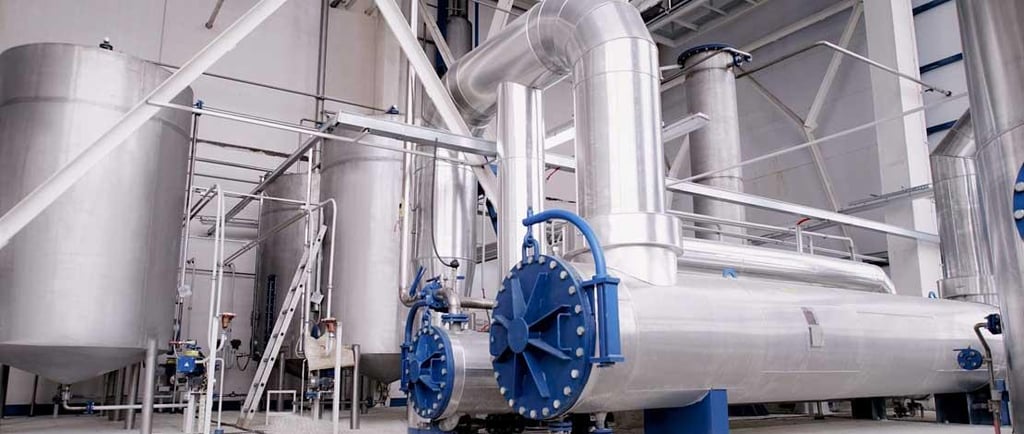
Starch Liquefaction vs. Saccharification: Process, Enzymes, and Best Practices
Industrial starch processing is one of the most important biotechnological operations in the food, beverage, fermentation, and biofuel industries. Every year, millions of tons of starch from corn, wheat, cassava, potato, rice, and other agricultural crops are converted into high-value products such as glucose syrup, maltose syrup, high-fructose syrup, bioethanol, beverage alcohol, organic acids, amino acids, and numerous fermentation-derived ingredients.
At the heart of every successful starch conversion process are two enzymatic stages: liquefaction and saccharification.
Although these processes operate sequentially, they perform fundamentally different functions. Liquefaction prepares starch for enzymatic conversion by reducing viscosity and producing soluble dextrins, while saccharification completes the hydrolysis process by converting those dextrins into fermentable sugars.
Understanding the relationship between these two stages is essential for achieving:
Higher starch conversion efficiency
Maximum glucose yield
Improved ethanol production
Better syrup quality
Lower enzyme consumption
Reduced energy costs
Stable plant operation
Improved manufacturing profitability
Modern starch processing facilities no longer rely on individual enzymes alone. Instead, they use integrated enzyme programs that combine Heat-Stable Alpha-Amylase Solutions, Glucoamylase Solutions, and, where appropriate, supporting enzymes such as Xylanase Solutions, Cellulase & Hemicellulase Solutions, and Protease Solutions to maximize raw material utilization and process efficiency.
This guide explains the complete starch conversion process, compares liquefaction and saccharification in detail, discusses the role of industrial enzymes, highlights common production challenges, and outlines best practices for optimizing starch processing and ethanol production.
Understanding Starch Structure
Before examining enzymatic processing, it is important to understand why starch requires controlled hydrolysis before it can be converted into useful sugars.
Starch serves as the primary energy reserve for many agricultural crops, including:
Corn
Wheat
Cassava
Potato
Rice
Tapioca
Barley
Although starch appears to be a simple carbohydrate, its molecular structure is highly organized and naturally resistant to enzymatic attack.
Native starch exists as microscopic granules composed primarily of two glucose polymers.
Amylose
Amylose is a predominantly linear polymer consisting of glucose molecules connected through α-1,4 glycosidic bonds.
Characteristics include:
Linear molecular structure
Approximately 15–30% of total starch
Lower molecular branching
Relatively easier enzymatic hydrolysis
Amylopectin
Amylopectin is a highly branched glucose polymer containing both α-1,4 and α-1,6 glycosidic linkages.
Characteristics include:
Highly branched molecular architecture
Represents approximately 70–85% of commercial starches
Very high molecular weight
Greater resistance to complete enzymatic hydrolysis
The complex organization of these polymers prevents starch from dissolving readily in water or serving directly as a fermentable carbohydrate source.
Instead, starch must first undergo gelatinization followed by controlled enzymatic hydrolysis.
Why Industrial Starch Processing Uses Two Enzymatic Stages
Many people assume that starch can be converted directly into glucose using a single enzyme.
In reality, this is neither technically practical nor economically efficient.
Immediately after gelatinization, starch exhibits several characteristics that limit direct glucose production:
Extremely high viscosity
Long polymer chains
Highly branched molecular structures
Limited enzyme accessibility
Poor mixing characteristics
For these reasons, industrial starch conversion is divided into two specialized stages.
Stage Primary Objective
Liquefaction Reduce viscosity and produce soluble dextrins
Saccharification Convert dextrins into fermentable glucose
Separating these operations allows each enzyme to operate under its optimal conditions while maximizing overall process efficiency.
Benefits include:
Higher enzyme performance
Better process control
Improved glucose yield
Lower operating costs
Improved downstream fermentation
Higher production capacity
Process Overview
Raw Starch
↓
Slurry Preparation
↓
Gelatinization
↓
Liquefaction (Heat-Stable Alpha-Amylase)
↓
Soluble Dextrins
↓
Saccharification (Glucoamylase)
↓
Glucose
↓
Fermentation or Glucose Syrup Production
Deep Dive: Starch Liquefaction
Liquefaction is the first enzymatic stage of starch conversion.
Its objective is not to maximize glucose production.
Instead, liquefaction rapidly reduces viscosity while converting large starch molecules into shorter, soluble dextrins that become suitable substrates for subsequent saccharification.
Without efficient liquefaction, starch slurry becomes difficult to pump, heat transfer deteriorates, mixing efficiency decreases, and downstream enzymes cannot effectively access starch molecules.
For this reason, liquefaction forms the operational foundation of every modern starch processing plant.
The Liquefaction Process Step by Step
1. Slurry Preparation
Ground starch feedstock is mixed with water to obtain the desired dry solids concentration.
Typical industrial concentrations range from 30–40% dry solids, depending on plant configuration and final product requirements.
During this stage, operators adjust slurry pH before thermal processing begins.
2. Gelatinization
As temperature increases, starch granules absorb water and gradually swell.
Eventually, their crystalline structure collapses.
This phenomenon is known as gelatinization.
During gelatinization:
Granules swell rapidly
Crystalline order disappears
Starch becomes enzyme-accessible
Viscosity reaches its maximum value
Ironically, the process that makes starch accessible also creates the greatest handling challenge.
3. Heat-Stable Alpha-Amylase Addition
Once gelatinization has occurred, Heat-Stable Alpha-Amylase is introduced.
Unlike glucoamylase, alpha-amylase is an endo-acting enzyme.
Rather than removing glucose molecules individually, it randomly hydrolyzes internal α-1,4 glycosidic bonds throughout the starch polymer.
This rapidly produces:
Soluble dextrins
Short-chain oligosaccharides
Lower molecular weight carbohydrates
Most importantly, viscosity decreases dramatically.
Reduced viscosity improves:
Pumpability
Mixing
Heat transfer
Process stability
Downstream enzyme accessibility
Industrial Heat-Stable Alpha-Amylase Solutions are specifically developed to remain active under elevated processing temperatures while delivering consistent viscosity reduction across a wide range of starch feedstocks.
4. Holding Stage
After enzyme addition, the slurry remains under controlled operating conditions for a defined residence time.
During this period, operators monitor:
Temperature
Residence time
Viscosity
Dextrose Equivalent (DE)
The objective is not maximum glucose production, but consistent dextrin formation suitable for efficient saccharification.
Typical liquefaction produces approximately 10–15 DE, depending on process objectives.
5. Cooling
Once liquefaction reaches the desired endpoint, the slurry is cooled before entering the saccharification stage.
At this point, starch has not yet been converted into glucose.
Instead, long starch molecules have been transformed into soluble dextrins that are significantly easier for glucoamylase to hydrolyze.
Objectives of Liquefaction
Although often viewed simply as a viscosity reduction step, liquefaction fulfills several critical industrial objectives.
Reduce Process Viscosity
Lower viscosity enables:
Efficient pumping
Improved agitation
Better heat transfer
Stable continuous processing
Produce Soluble Dextrins
Liquefaction transforms high-molecular-weight starch polymers into shorter carbohydrate chains suitable for saccharification.
Improve Downstream Enzyme Performance
Smaller dextrins expose more accessible reaction sites for glucoamylase, resulting in faster and more complete glucose production.
Increase Plant Throughput
Efficient viscosity reduction allows higher dry solids processing while maintaining acceptable process conditions.
Improve Energy Efficiency
Better fluid dynamics improve thermal transfer, reducing steam demand and improving overall energy utilization.
Typical Liquefaction Conditions
Actual operating conditions vary depending on enzyme grade, feedstock, and plant design.
Parameter Typical Industrial Range
Temperature 95–110°C*
pH Approximately 5.8–6.5*
Main Enzyme Heat-Stable Alpha-Amylase
Reaction Type Endo-acting
Main Bond Cleavage α-1,4Typical DE10–15
*Actual operating conditions depend on the selected enzyme grade and process configuration.
Common Liquefaction Challenges
Even with advanced enzyme technologies, several factors may reduce liquefaction efficiency.
High Residual Viscosity
Possible causes include:
Insufficient enzyme dosage
Poor mixing
Incomplete gelatinization
Short residence time
Inconsistent Dextrin Profile
Variations in raw material quality, cooking temperature, or process control may produce inconsistent DE values and unstable downstream performance.
Thermal Inactivation
Excessive temperatures or improper process control may reduce enzyme activity before liquefaction is complete.
Feedstock Variability
Different starch sources differ significantly in:
Amylose content
Amylopectin structure
Protein concentration
Fiber content
Granule morphology
Selecting the appropriate enzyme solution therefore requires consideration of both the feedstock and the overall production objective.
Deep Dive: Saccharification
Once liquefaction has reduced viscosity and converted starch into soluble dextrins, the process enters its second and most critical enzymatic stage: saccharification.
While liquefaction prepares starch for further hydrolysis, saccharification is responsible for generating the fermentable sugars that determine the final value of the process.
Whether the goal is producing glucose syrup, high-fructose corn syrup (HFCS), bioethanol, beverage alcohol, or fermentation substrates, the efficiency of saccharification directly influences:
Glucose yield
Fermentation efficiency
Syrup quality
Product consistency
Plant productivity
Overall manufacturing costs
Unlike liquefaction, which focuses primarily on viscosity reduction, saccharification aims to convert virtually all available dextrins into glucose with the highest possible efficiency.
How Saccharification Works
Following liquefaction, starch molecules have already been broken into shorter dextrin chains.
However, these dextrins still contain long sequences of glucose molecules linked together by α-1,4 and α-1,6 glycosidic bonds.
Saccharification gradually hydrolyzes these remaining bonds until individual glucose molecules are released.
These glucose molecules can then be:
Fermented into ethanol
Processed into glucose syrup
Converted into fructose
Used as substrates for amino acid production
Utilized in organic acid fermentation
Applied in numerous industrial biotechnology processes
The effectiveness of this stage largely determines the final conversion efficiency of the entire starch process.
The Role of Glucoamylase
The primary enzyme responsible for saccharification is glucoamylase.
Unlike alpha-amylase, glucoamylase is an exo-acting enzyme.
Rather than attacking starch randomly, it removes glucose molecules sequentially from the non-reducing ends of carbohydrate chains.
Its catalytic activity includes hydrolysis of:
α-1,4 glycosidic bonds
α-1,6 branch points (at a slower rate)
This dual functionality enables nearly complete conversion of dextrins into glucose.
Modern Glucoamylase Solutions are specifically developed to maximize glucose production while maintaining excellent stability throughout extended saccharification processes.
Typical advantages include:
Higher glucose yield
Lower residual dextrins
Improved syrup purity
Better fermentation performance
Higher ethanol productivity
Reduced enzyme consumption
Shorter processing cycles
Typical Saccharification Conditions
Saccharification is performed under considerably milder conditions than liquefaction to preserve enzyme activity and maximize hydrolysis efficiency.
Parameter Typical Industrial Range
Temperature 55–65°C*
pH Approximately 4.0–4.8*
Main Enzyme Glucoamylase
Reaction Type Exo-acting
Main Bond Cleavage α-1,4 & α-1,6
Typical DE95–98+
*Actual operating conditions depend on enzyme grade and process objectives.
Maintaining stable temperature and pH throughout saccharification is essential for achieving consistent glucose yields.
Liquefaction vs. Saccharification
Although these processes are closely connected, they perform fundamentally different functions within starch processing.
Parameter Liquefaction Saccharification
Primary Objective Reduce viscosity Produce glucose
Main Enzyme Heat-Stable Alpha-Amylase Glucoamylase
Reaction Type Endo-acting Exo-acting
Main Bond Cleavage α-1,4 α-1,4 & α-1,6
Temperature 95–110°C 55–65°C
Typical pH 5.8–6.5 4.0–4.8
Main Product Dextrins Glucose
Typical DE 10–15 95–98+
This comparison highlights why both stages are indispensable.
Neither enzyme can efficiently replace the other.
Why Both Stages Are Essential
One of the most common misconceptions in starch processing is that increasing alpha-amylase dosage will automatically increase glucose production.
In reality, alpha-amylase and glucoamylase perform complementary—not interchangeable—functions.
Heat-Stable Alpha-Amylase
Responsible for:
Rapid viscosity reduction
Breaking long starch chains
Producing soluble dextrins
Preparing starch for further hydrolysis
Glucoamylase
Responsible for:
Converting dextrins into glucose
Maximizing fermentable sugars
Increasing syrup purity
Improving ethanol yield
An efficient starch conversion process depends on optimizing both stages rather than overemphasizing one enzyme or one operating condition.
Simultaneous Saccharification and Fermentation (SSF)
Many modern ethanol plants have adopted Simultaneous Saccharification and Fermentation (SSF) as an alternative to performing saccharification and fermentation separately.
In an SSF process, glucoamylase and yeast operate simultaneously in the same vessel.
As glucose is continuously released from dextrins, yeast immediately consumes it for ethanol production.
This integrated approach offers several important advantages:
Lower contamination risk
Reduced glucose inhibition
Faster overall processing
Higher ethanol productivity
Lower capital investment
Simplified process design
Selecting a glucoamylase specifically developed for SSF applications helps maintain enzyme activity throughout the fermentation process.
Supporting Enzyme Systems
Although alpha-amylase and glucoamylase perform the core starch hydrolysis, modern starch processing increasingly relies on supporting enzyme technologies to maximize raw material utilization.
These enzymes target non-starch components within the feedstock that may reduce starch accessibility or create downstream processing challenges.
Rather than replacing the primary enzymes, they complement them by improving extraction efficiency, reducing viscosity, enhancing filtration, and supporting fermentation performance.
Xylanase Solutions
Many cereal grains contain significant amounts of arabinoxylans and other hemicellulosic polysaccharides.
These compounds absorb water, increase mash viscosity, and reduce starch accessibility.
Industrial Xylanase Solutions hydrolyze these complex carbohydrates, improving overall process performance.
Typical benefits include:
Reduced mash viscosity
Improved filtration
Enhanced starch accessibility
Increased extraction efficiency
Improved fermentation performance
Better processing of cereal-based feedstocks
Xylanases are particularly beneficial for processing:
Wheat
Rye
Barley
Other cereal grains with high arabinoxylan content
AILANA offers these technologies through the AILAZYME® XYE Series, developed for industrial starch and grain processing applications.
Cellulase & Hemicellulase Solutions
Many feedstocks contain cellulose and hemicellulose structures that physically restrict access to intracellular starch.
Cellulase & Hemicellulase Solutions hydrolyze these structural fibers, allowing enzymes to reach additional starch that would otherwise remain unavailable.
Potential advantages include:
Increased starch recovery
Higher glucose yield
Improved mash fluidity
Reduced residual solids
Better filtration
Improved raw material utilization
These enzymes are especially valuable when processing:
Cassava
Wheat
Whole-grain feedstocks
Agricultural by-products
High-fiber raw materials
AILANA supplies these technologies through the AILAZYME® CE Series.
Protease Solutions
Proteins naturally present in cereal grains may also interfere with starch conversion.
Storage proteins can surround starch granules, limiting enzyme accessibility while increasing mash viscosity.
Industrial Protease Solutions hydrolyze these proteins, improving starch exposure and supporting fermentation.
Additional benefits include:
Improved starch accessibility
Increased Free Amino Nitrogen (FAN)
Better yeast nutrition
Faster fermentation
Reduced mash viscosity
Improved process consistency
Proteases are particularly valuable in ethanol production, where yeast nutrition directly influences fermentation performance.
AILANA offers dedicated Protease Solutions for industrial starch processing and fermentation applications.
Choosing Enzymes for Different Feedstocks
Every starch source presents unique processing characteristics.
Differences in starch composition, protein content, fiber concentration, and granule morphology require tailored enzyme programs rather than a one-size-fits-all approach.
Feedstock Main Challenge Recommended Enzyme Program
Corn High starch loading Heat-Stable Alpha-Amylase + Glucoamylase
Wheat High protein and Heat-Stable Alpha-Amylase + Glucoamylase
arabinoxylan content + Xylanase + Protease
Cassava Cell wall structure and Heat-Stable Alpha-Amylase + Glucoamylase residual fiber + Cellulase & Hemicellulase
Potato Very high viscosity after Heat-Stable Alpha-Amylase + Glucoamylase
gelatinization
Barley Fiber and protein complexity Heat-Stable Alpha-Amylase + Glucoamylase +
Xylanase + Protease
Selecting the appropriate enzyme combination helps maximize starch recovery while improving overall production efficiency.
Factors Affecting Enzyme Performance
Even the most advanced industrial enzymes cannot compensate for poor process control.
Several operational variables strongly influence starch conversion efficiency.
Temperature
Each enzyme exhibits an optimal temperature range.
Excessive temperatures accelerate thermal inactivation, while lower temperatures reduce catalytic activity.
Stable temperature control is therefore essential throughout both liquefaction and saccharification.
pH
Enzyme structure is highly sensitive to pH.
Operating outside the recommended range can significantly reduce reaction rates and overall conversion efficiency.
Continuous pH monitoring is therefore an important component of industrial process control.
Residence Time
Hydrolysis requires sufficient contact time between enzyme and substrate.
Insufficient residence time may result in:
Higher residual dextrins
Lower glucose yield
Reduced ethanol production
Incomplete starch conversion
However, unnecessarily long residence times may reduce plant throughput without providing additional economic benefit.
Mixing Efficiency
Uniform enzyme distribution improves contact between enzymes and starch molecules.
Poor mixing may create localized regions of incomplete hydrolysis, leading to inconsistent product quality.
Dry Solids Concentration
Operating at higher dry solids concentrations increases production capacity and reduces downstream evaporation requirements.
However, higher solids also increase viscosity and place greater demands on both enzyme performance and process control.
Balancing these factors is essential for maximizing productivity.
Process Optimization and Best Practices
Achieving high starch conversion efficiency requires more than selecting high-performance enzymes. Modern starch processing plants optimize the entire production chain—from raw material preparation and liquefaction to saccharification and fermentation—to maximize yield, improve process stability, and reduce operating costs.
The following best practices are widely adopted by leading starch and bioethanol producers.
1. Select the Right Enzyme Program
Different production objectives require different enzyme strategies.
For example:
Glucose syrup production focuses on maximizing glucose yield and syrup purity.
Maltose syrup production requires a different hydrolysis profile than dextrose production.
Bioethanol production prioritizes fermentable sugar availability and fermentation efficiency.
Whole-grain processing often benefits from additional fiber-degrading and protein-degrading enzymes.
Rather than relying on a single enzyme, modern facilities typically implement integrated enzyme programs tailored to their feedstock, process conditions, and production goals.
2. Optimize Liquefaction Before Increasing Glucoamylase Dosage
A common misconception is that poor glucose yields can always be corrected by adding more glucoamylase.
In many cases, the underlying problem originates during liquefaction.
If starch is not sufficiently liquefied:
Dextrins remain too large.
Enzyme accessibility decreases.
Saccharification slows.
Residual carbohydrates increase.
Overall conversion efficiency declines.
Before increasing glucoamylase dosage, operators should verify that liquefaction is producing a consistent dextrin profile with the desired DE range.
3. Match the Enzyme Program to the Feedstock
Feedstocks differ significantly in their physical and chemical properties.
Factors such as starch composition, protein content, fiber concentration, and gelatinization behavior influence enzyme performance.
Selecting enzyme grades specifically designed for each feedstock often provides better results than applying identical operating conditions across all raw materials.
4. Consider the Non-Starch Components
Many processing challenges originate from compounds other than starch.
Fibers, proteins, and non-starch polysaccharides may:
Increase viscosity
Reduce starch accessibility
Slow filtration
Limit fermentation efficiency
Incorporating Xylanase Solutions, Cellulase & Hemicellulase Solutions, or Protease Solutions where appropriate can significantly improve overall process performance.
5. Maintain Stable Process Conditions
Even small variations in operating conditions may reduce enzyme efficiency.
Routine monitoring should include:
Temperature
pH
Dry solids concentration
Residence time
Agitation
Flow consistency
Stable operating conditions help ensure consistent starch conversion and product quality.
6. Optimize the Entire Production Process
Liquefaction, saccharification, and fermentation should not be viewed as isolated operations.
Each stage directly influences downstream performance.
For example:
Poor liquefaction reduces saccharification efficiency.
Poor saccharification limits fermentation performance.
Inefficient fermentation lowers overall plant productivity.
Plants that optimize the complete production chain generally achieve:
Higher starch conversion
Lower enzyme consumption
Better energy efficiency
Improved process stability
Higher manufacturing profitability
A Practical Guide to Selecting the Right Enzyme Program
Although every production facility has unique operating conditions, the following simplified guide illustrates how enzyme selection typically evolves based on feedstock and production goals.
Start
↓
What is your primary feedstock?
↓
Corn
↓
Heat-Stable Alpha-Amylase + Glucoamylase
↓
Need improved filtration?
↓
Add Xylanase (if required)
────────────────────────────
Wheat
↓
Heat-Stable Alpha-Amylase + Glucoamylase + Xylanase + Protease
────────────────────────────
Cassava
↓
Heat-Stable Alpha-Amylase + Glucoamylase + Cellulase & Hemicellulase
────────────────────────────
Potato
↓
Heat-Stable Alpha-Amylase + Glucoamylase
↓
Optimize viscosity control
Actual enzyme selection should always consider process configuration, operating conditions, raw material quality, and production objectives.
Troubleshooting Common Processing Problems
Even well-designed starch processing plants occasionally encounter production challenges.
Identifying the root cause before adjusting enzyme dosage often results in faster, more cost-effective process optimization.
Even well-designed starch processing plants may occasionally experience performance issues. Identifying the root cause before adjusting enzyme dosage can significantly reduce downtime and improve overall process efficiency.
High Mash Viscosity
Possible causes
Incomplete liquefaction
Insufficient alpha-amylase dosage
Poor mixing
Inadequate cooking conditions
Short residence time
Recommended actions
Verify alpha-amylase dosage.
Review cooking temperature and residence time.
Check slurry mixing efficiency.
Confirm complete starch gelatinization before liquefaction.
Low Glucose Yield
Possible causes
Inefficient saccharification
Low glucoamylase activity
Incorrect pH
Inadequate reaction time
Recommended actions
Confirm glucoamylase performance.
Monitor saccharification temperature and pH.
Increase reaction time if necessary.
Verify that liquefaction produced an appropriate dextrin profile.
High Residual Dextrins
Possible causes
Incomplete starch hydrolysis
Poor liquefaction performance
Insufficient saccharification time
Recommended actions
Optimize liquefaction before increasing enzyme dosage.
Evaluate DE after liquefaction.
Confirm glucoamylase operating conditions.
Slow Fermentation
Possible causes
Limited fermentable glucose
Low Free Amino Nitrogen (FAN)
Poor yeast nutrition
Recommended actions
Verify glucose concentration entering fermentation.
Evaluate protease supplementation to increase FAN.
Confirm yeast health and fermentation conditions.
Poor Filtration Performance
Possible causes
High fiber content
Elevated arabinoxylan concentration
Cell wall components remaining intact
Recommended actions
Consider xylanase supplementation for cereal-based feedstocks.
Evaluate cellulase and hemicellulase solutions for high-fiber raw materials.
Review feedstock characteristics and milling efficiency.
Inconsistent Syrup Quality
Possible causes
Process instability
Temperature fluctuations
pH variations
Inconsistent solids concentration
Recommended actions
Improve monitoring of critical process parameters.
Maintain stable pH and temperature throughout production.
Ensure consistent slurry preparation and process control.
Future Trends in Industrial Starch Processing
Industrial starch processing continues to evolve as manufacturers pursue greater efficiency, sustainability, and profitability.
Several trends are shaping the future of enzyme technology.
Higher Dry Solids Processing
Many plants now operate at increasingly higher dry solids concentrations to improve productivity while reducing water consumption and evaporation costs.
This trend requires highly efficient enzyme systems capable of maintaining performance under more demanding process conditions.
Lower Energy Consumption
Modern enzyme technologies enable effective starch conversion under optimized operating conditions, helping manufacturers reduce steam consumption and improve overall energy efficiency.
Integrated Multi-Enzyme Programs
Instead of relying solely on alpha-amylase and glucoamylase, more facilities are incorporating complementary enzyme systems that target fibers and proteins to maximize raw material utilization.
Improved Sustainability
Efficient enzymatic processing contributes to:
Lower energy demand
Reduced waste generation
Improved raw material utilization
Lower carbon footprint
Better production economics
As sustainability becomes increasingly important, enzyme optimization will continue to play a central role in industrial starch processing.
Conclusion
Liquefaction and saccharification are often discussed together, yet they perform two fundamentally different roles within industrial starch processing.
Liquefaction prepares starch for enzymatic conversion by reducing viscosity and producing soluble dextrins. Saccharification then converts those dextrins into fermentable glucose, enabling the efficient production of starch syrups, ethanol, and numerous fermentation-derived products.
Neither stage can deliver optimal performance independently.
Successful starch conversion depends on selecting the right enzyme program, maintaining appropriate operating conditions, and optimizing the entire production process—from raw material preparation through fermentation.
In addition to Heat-Stable Alpha-Amylase Solutions and Glucoamylase Solutions, supporting enzyme technologies such as Xylanase Solutions, Cellulase & Hemicellulase Solutions, and Protease Solutions can further improve starch accessibility, raw material utilization, filtration performance, and overall manufacturing efficiency.
As industrial starch processing continues to evolve, integrated enzyme programs will remain essential for improving productivity, sustainability, and long-term profitability.
Frequently Asked Questions (FAQ)
What is starch liquefaction?
Starch liquefaction is the first enzymatic stage of starch processing. During this step, heat-stable alpha-amylase reduces viscosity by hydrolyzing long starch molecules into soluble dextrins, preparing the slurry for saccharification.
What is starch saccharification?
Saccharification is the second stage of starch hydrolysis, during which glucoamylase converts dextrins into fermentable glucose for syrup production, ethanol fermentation, and other industrial applications.
What is the difference between liquefaction and saccharification?
Liquefaction reduces viscosity and produces dextrins, while saccharification converts those dextrins into glucose. Although the two processes are complementary, they use different enzymes, operating conditions, and reaction mechanisms.
Which enzyme is used during liquefaction?
Heat-stable alpha-amylase is the primary enzyme used during liquefaction because it remains active under high-temperature conditions while rapidly reducing starch viscosity.
Which enzyme is responsible for glucose production?
Glucoamylase is responsible for producing glucose during saccharification by sequentially hydrolyzing dextrins into individual glucose molecules.
What is Dextrose Equivalent (DE)?
Dextrose Equivalent (DE) is a measure of the degree of starch hydrolysis. Higher DE values indicate a greater proportion of reducing sugars and a more complete conversion of starch into glucose.
What is Simultaneous Saccharification and Fermentation (SSF)?
SSF is a process in which saccharification and ethanol fermentation occur simultaneously in the same vessel. Glucose released by glucoamylase is immediately consumed by yeast, improving process efficiency and reducing contamination risks.
Can supporting enzymes improve starch processing?
Yes. Depending on the feedstock, xylanases, cellulases, hemicellulases, and proteases can improve starch accessibility, reduce viscosity, enhance filtration, support fermentation, and increase overall production efficiency.
How do I choose the right enzyme program?
The optimal enzyme program depends on several factors, including feedstock type, final product, process configuration, operating conditions, and production objectives. Most industrial facilities achieve the best results using a combination of alpha-amylase, glucoamylase, and selected supporting enzymes.
Explore AILAZYME® Solutions
Optimize every stage of starch processing with AILANA's specialized enzyme technologies.
Related Solution Families
Heat-Stable Alpha-Amylase Solutions — Efficient liquefaction and viscosity reduction for a wide range of starch feedstocks.
Glucoamylase Solutions — High-performance saccharification for glucose syrup and ethanol production.
Xylanase Solutions — Improved mash viscosity, grain processing, and filtration efficiency.
Cellulase & Hemicellulase Solutions — Enhanced fiber degradation and starch accessibility.
Protease Solutions — Improved protein hydrolysis and fermentation performance.
You can also explore our complete Starch Processing Solutions page to discover how integrated enzyme programs can improve productivity across your entire manufacturing process.
