
Lipase in Bakery Applications: Improving Dough Strength, Crumb Softness, and Shelf Life in Modern Baking
Explore how lipase improves dough stability, crumb softness, loaf volume, and shelf life in modern bakery applications. Learn why lipase has become an important enzyme for clean-label bread improvers, emulsifier reduction, and bakery process optimization.
BAKERY
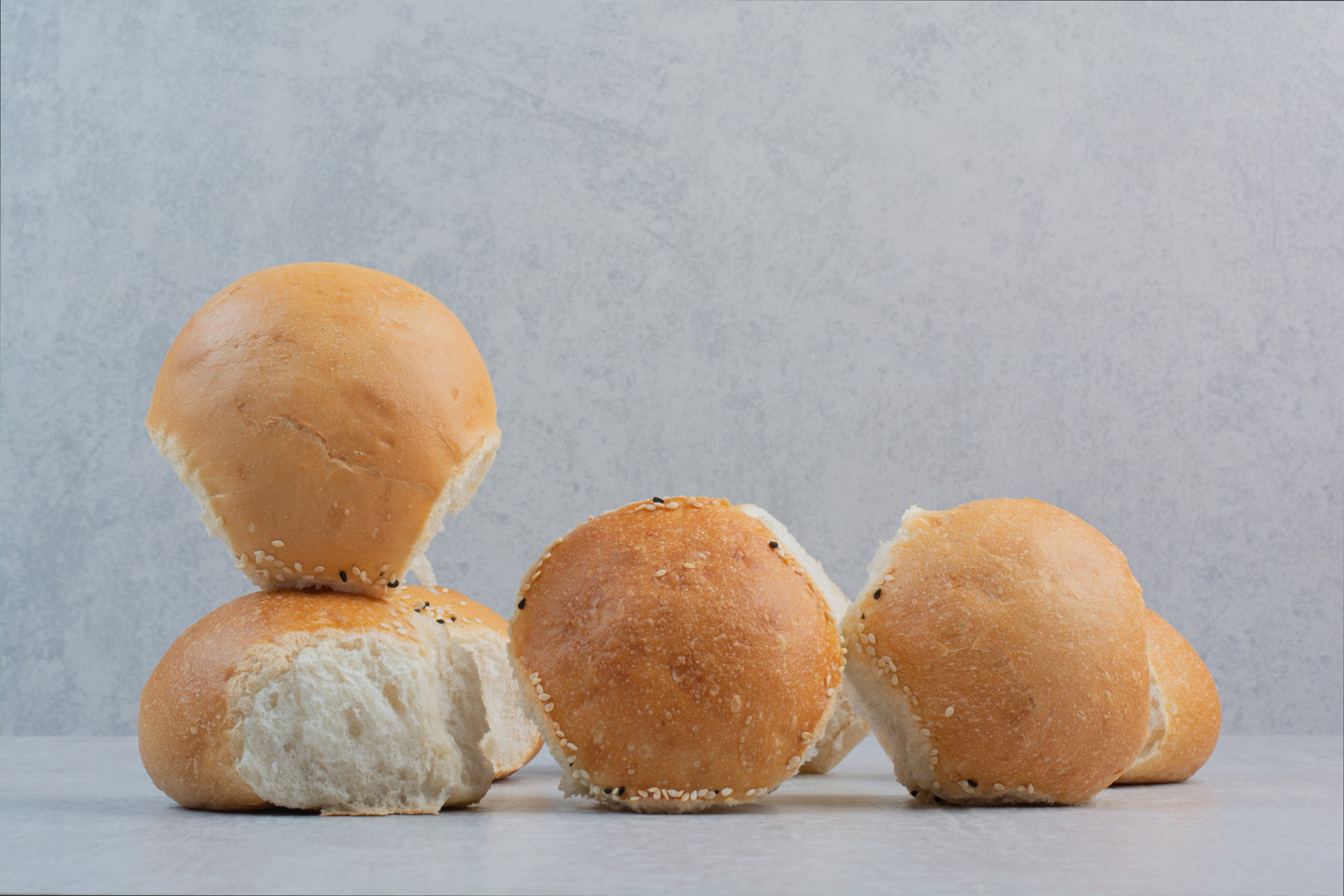

Lipase in Bakery Applications: Improving Dough Strength, Crumb Softness, and Shelf Life in Modern Baking
Lipase has become one of the most valuable enzyme tools in modern bakery formulation. As the baking industry moves toward cleaner labels, more stable production performance, and reduced reliance on chemical emulsifiers, lipase-based enzyme systems are increasingly used to improve dough handling, crumb structure, softness, and finished product consistency across a wide range of baked goods.
In industrial baking, lipase is not simply a “fat-modifying enzyme.” Its practical value comes from its ability to modify endogenous lipids and flour lipid fractions in a way that improves gas retention, dough stability, crumb texture, and eating quality. Depending on the type of lipase, the flour composition, and the overall recipe, lipase can support applications ranging from pan bread and buns to sweet baked goods, frozen dough, and flour correction systems.
This article explores the role of lipase in bakery applications, how it works, where it creates value, and why it has become an important component of modern bread improver and clean-label enzyme systems.
What Is Lipase?
Lipase is an enzyme that catalyzes the hydrolysis of lipids, primarily triglycerides, into smaller molecules such as diglycerides, monoglycerides, glycerol, and free fatty acids. In bakery systems, this reaction is particularly important because flour and dough naturally contain lipid fractions that influence gluten interactions, gas retention, dough stability, and crumb texture.
Although the total lipid content of flour is relatively low, these lipids play an outsized role in dough behavior and bread quality. By selectively modifying these lipids during dough mixing and fermentation, lipase can generate compounds that act in an emulsifier-like manner inside the dough system. This is why lipase is often used as a functional replacement or reduction tool for traditional emulsifiers such as DATEM, mono- and diglycerides, SSL, or other dough conditioning agents.
The exact effect of a bakery lipase depends on several factors:
The enzyme source and specificity
The flour composition and lipid profile
Dough process conditions
Fermentation time and temperature
The presence of other enzymes such as amylases, xylanases, or glucose oxidase
The target product, such as bread, buns, sweet dough, or frozen dough
For this reason, lipase is rarely evaluated as a standalone “yes or no” ingredient. In practice, it is part of a broader dough optimization strategy.
Why Lipids Matter in Bread Dough
To understand the value of lipase in bakery applications, it helps to understand why lipids matter in dough.
Bread dough is a complex matrix made of flour proteins, starch, water, air, yeast, and minor components such as fibers, minerals, and lipids. While proteins and starch receive most of the attention, the small amount of flour lipids present in wheat flour contributes significantly to dough functionality. These lipids can interact with gluten proteins, starch granules, and gas cell interfaces, influencing dough strength, stability, and crumb texture.
During mixing and proofing, dough must hold gas efficiently while remaining machinable and extensible enough to tolerate industrial handling. At the same time, the finished baked product must have the desired crumb softness, volume, resilience, and shelf-life performance. Lipase helps improve these parameters by changing the balance and functionality of lipid-derived molecules in the dough.
In simple terms, lipase can help the dough system make better use of its own lipid components. That is why it is often described as a tool for improving dough tolerance and crumb quality without relying exclusively on external emulsifiers.
How Lipase Works in Bakery Applications
In bakery systems, lipase acts on lipid substrates present in flour, added fats, or other recipe components. The hydrolysis of these lipids produces smaller molecules such as mono- and diglycerides and other amphiphilic compounds that can improve interactions between water, gas, starch, and gluten.
These newly generated compounds can contribute to:
Improved gas cell stabilization during mixing and proofing
Better dough tolerance during mechanical processing
Enhanced crumb softness and resilience
More uniform crumb grain
Improved loaf symmetry and finished volume
Reduced dependence on chemical emulsifiers
The mechanism is not identical in every dough system, and lipase does not replace all functionality in all formulations. However, in many bakery applications it contributes to a more stable and better organized dough matrix. This is especially valuable in industrial production, where small improvements in dough stability or gas retention can translate into significant gains in volume consistency, slicing quality, and line efficiency.
Lipase as a Clean-Label Tool in Baking
One of the strongest reasons for the growth of lipase in bakery is the market shift toward cleaner labels. Many industrial bakeries want to reduce or eliminate traditional emulsifiers while preserving performance. Lipase has become one of the most useful tools for this transition because it can generate emulsifier-like functionality enzymatically during dough processing.
This does not mean lipase is a universal one-to-one replacement for every emulsifier in every formula. But in many systems it can help reduce dependence on additives used for:
Dough strengthening
Crumb softening
Volume support
Process tolerance
Shelf-life improvement
Lipase is often used alongside other bakery enzymes to build clean-label improver systems. For example, a dough improver designed to replace DATEM or mono- and diglycerides may combine lipase with glucose oxidase, alpha amylase, xylanase, or ascorbic acid depending on the target effect.
The clean-label value of lipase is especially attractive in bread, buns, sandwich loaves, and other wheat-based products where softness, volume, and processing tolerance are commercially critical.
Key Functional Benefits of Lipase in Bakery
Although performance always depends on the application and formulation, lipase is commonly used in bakery for several core benefits.
1. Improved Dough Stability and Tolerance
Industrial dough systems are often exposed to mechanical stress from mixing, dividing, moulding, sheeting, and high-throughput line handling. A dough that looks acceptable in the laboratory may fail under industrial conditions if it lacks stability or tolerance.
Lipase can help improve dough robustness by supporting a more stable internal dough structure. In practice, this may appear as:
Better handling during processing
Reduced dough collapse during proofing
Improved tolerance to variation in flour quality
Better machinability on automated lines
More consistent dough behavior from batch to batch
This is one reason lipase is often included in bread improvers for industrial bakeries rather than only in artisanal-style formulations.
2. Better Gas Retention and Loaf Volume
Bread quality is closely tied to gas retention. A dough that cannot effectively retain fermentation gases will often produce lower volume, weaker crumb structure, and less uniform finished loaves.
Lipase can support gas retention by improving the functionality of lipid-derived components at gas cell interfaces and within the dough matrix. The result may include:
Improved loaf volume
Better oven spring
More uniform crumb structure
Reduced variability in finished product height and shape
In some formulations the volume gain may be modest, while in others it can be a major performance driver. The key point is that lipase can contribute to a stronger and more stable dough system capable of holding gas more effectively through proofing and baking.
3. Softer Crumb and Improved Eating Quality
Crumb softness remains one of the most commercially important quality parameters in packaged bakery products. Consumers expect bread and buns to remain soft, resilient, and pleasant to eat over the intended shelf-life period.
Lipase can contribute to softer crumb by improving the structure and distribution of lipid-derived compounds that influence crumb texture and starch interactions. In practical terms, bakeries may observe:
Softer crumb immediately after baking
Better resilience and elasticity
More pleasant bite and mouthfeel
Improved softness retention during storage
This is particularly relevant in pan bread, sandwich bread, burger buns, hot dog buns, and other soft baked goods where texture is a primary quality driver.
4. Support for Shelf-Life and Anti-Staling Strategies
Bread staling is a complex phenomenon involving moisture redistribution, crumb firming, and starch retrogradation. Lipase is not the only tool used to address staling, and in many systems maltogenic amylase remains one of the strongest anti-staling enzymes. However, lipase can still play a valuable role in shelf-life optimization.
By contributing to crumb softness and dough structure, lipase may help maintain a more desirable texture profile during storage. When used in combination with other enzyme technologies, it can support broader shelf-life strategies aimed at:
Delaying crumb firming
Improving softness retention
Reducing the need for certain additive-based softeners
Maintaining acceptable eating quality for a longer period
This is especially useful in packaged baked goods with distribution chains that demand several days of softness and visual quality.
5. Reduced Dependence on Traditional Emulsifiers
One of the most commercially relevant uses of lipase is its role in reducing or replacing emulsifiers in bakery systems. Traditional emulsifiers can be highly effective, but many bakery producers want to reduce them for labeling, cost, or formulation strategy reasons.
A properly selected lipase can help deliver part of the emulsification-related functionality required in bread systems, including:
Dough stabilization
Improved crumb softness
Better gas retention
Enhanced loaf volume
More consistent process performance
In some cases, lipase is used as a full replacement tool. In other cases, it is used to reduce the dosage of DATEM, mono- and diglycerides, or other emulsifiers while preserving acceptable product quality.
The correct approach depends on the bakery’s goals. If the target is complete emulsifier replacement, the formulation may need a broader enzyme system. If the goal is cost reduction, partial replacement may be enough. If the goal is clean label, the focus may be on label-friendly functionality rather than one-to-one matching of every original performance parameter.
Lipase in Bread Improver Systems
Lipase is often at its most effective when used as part of a bakery improver system rather than as a standalone ingredient. This is because bread quality is not controlled by a single mechanism. Dough strength, extensibility, gas retention, fermentation behavior, volume, softness, and shelf life are all interconnected.
A typical enzyme-based improver strategy may combine lipase with one or more of the following:
Glucose oxidase
Used to strengthen dough and improve oxidation-driven dough stability.
Alpha amylase
Used to support fermentation, improve dough activity, and contribute to crumb softness depending on the enzyme type and dosage.
Xylanase
Used to improve dough handling, water distribution, flour performance, and volume by modifying arabinoxylans in flour.
Maltogenic amylase
Often used for anti-staling and softness retention in packaged bakery products.
Protease
Used selectively in applications where dough extensibility or relaxation is needed.
Ascorbic acid
Still widely used as a dough strengthening aid depending on the market and label strategy.
The right combination depends entirely on the target product. A bread improver for pan bread will not be optimized in the same way as an improver for burger buns, sweet dough, tortilla-style products, or frozen dough. Lipase is valuable precisely because it integrates well into these broader functional systems.
Applications of Lipase in Different Bakery Segments
Lipase is widely applicable in industrial bakery, but the performance goals vary by product type.
Pan Bread and Sandwich Bread
This is one of the most common application areas for lipase. In pan bread systems, lipase is often used to support:
Dough tolerance during industrial processing
Improved loaf volume
Softer crumb
Better slicing performance
More uniform crumb grain
Improved softness retention over shelf life
Because pan bread is often produced at large scale and sold through distribution channels, consistency and softness are critical. Lipase fits well into this environment.
Burger Buns and Hot Dog Buns
Buns require softness, resilience, visual uniformity, and good handling performance. Lipase can help improve:
Dough processability
Bun volume and shape consistency
Crumb softness
Bite quality
Shelf-life texture retention
These applications are particularly sensitive to process consistency because buns are often produced in high-speed lines for foodservice and retail customers.
Sweet Bakery Products
In sweet dough systems, fat and sugar levels are often higher, and dough behavior can differ substantially from standard bread formulas. Depending on the product, lipase may still contribute to improved dough handling and crumb softness, although the formulation context becomes more complex. The performance should always be validated in the target recipe rather than assumed from bread trials.
Frozen Dough
Frozen dough applications place high stress on dough systems due to freezing, storage, thawing, and proofing challenges. Dough tolerance and gas retention are especially important here. Lipase may be used as part of a broader frozen dough enzyme system to support dough robustness, although it is usually not the only tool required.
Flour Correction and Improver Premixes
Lipase is also relevant in flour treatment and bread improver premixes, where the goal is to deliver more stable baking performance across variable flour qualities. In these systems, lipase contributes to the overall functional package rather than acting as the sole performance driver.
Factors That Influence Lipase Performance in Bakery
Like any bakery enzyme, lipase performance depends heavily on context. A lipase that performs very well in one bread system may underperform in another if the flour, fat level, process, or improver system changes.
Important factors include:
Flour quality
Protein level, damaged starch, endogenous lipid profile, and flour variability can all affect response.
Formula composition
Added fats, sugar, emulsifiers, oxidants, and enzyme combinations influence lipase behavior.
Process conditions
Mixing intensity, dough temperature, fermentation time, proofing profile, and baking conditions all matter.
Enzyme dosage
Too little enzyme may deliver no visible benefit; too much may shift texture or process behavior in undesirable ways.
Interaction with other enzymes
Lipase often performs best when balanced with enzymes that support dough strength, gas production, or anti-staling.
This is why bakery lipase evaluation should be done through controlled application trials, not only through theoretical formulation assumptions.
Lipase Selection: What Bakeries Should Evaluate
When selecting a lipase for bakery applications, the key question is not simply “Does this enzyme work?” but rather “Does it solve the specific process and product problem we have?”
A bakery or improver manufacturer should typically evaluate:
Target product category
Desired texture and shelf-life profile
Current use of emulsifiers
Dough process challenges
Flour variability
Production line conditions
Label strategy
Cost-performance balance
A bakery focused on replacing DATEM in pan bread may need a different lipase solution than a manufacturer focused on bun softness or frozen dough tolerance. This is why technical support and application-specific optimization are often as important as the enzyme itself.
The Strategic Value of Lipase in Modern Baking
Lipase is no longer a niche bakery enzyme. It has become a strategic formulation tool for bakeries seeking cleaner labels, stronger process performance, and more flexible dough improver systems. Its value lies in the fact that it supports several commercial goals at once:
Better dough stability
Improved loaf volume
Softer crumb
Enhanced shelf-life texture
Reduced dependence on chemical emulsifiers
More flexible clean-label formulation design
For industrial bakeries, the real value of lipase is not theoretical enzyme activity. It is the ability to improve finished product quality and process consistency in a way that aligns with commercial manufacturing realities.
Conclusion
Lipase plays an increasingly important role in modern bakery applications because it helps bridge the gap between performance and clean-label expectations. By modifying flour and dough lipids, lipase can support dough stability, gas retention, crumb softness, loaf volume, and shelf-life performance across a wide range of baked goods.
Its greatest strength is not as an isolated ingredient, but as part of an intelligent bakery enzyme strategy tailored to the specific needs of the product and process. In pan bread, buns, improver systems, and selected frozen dough applications, lipase can be a highly effective tool for building softer, more stable, and more consistent bakery products.
For bakeries looking to reduce emulsifier dependence, improve dough performance, or optimize crumb quality, lipase deserves serious consideration as part of a modern enzyme-based formulation approach.
AILANA develops enzyme solutions for industrial bakery applications, including systems designed to support dough strength, crumb softness, process consistency, and clean-label bakery performance. If you are evaluating lipase for bread improvers, emulsifier reduction, or bakery process optimization, explore our bakery enzyme solutions or contact our technical team to discuss the right approach for your formulation.
